
let us help you grow your practice


22 Years Serving Ophthalmology Practices & Device Manufacturers
Conversion optimized, ADA & HIPAA compliant, mobile first and all custom. The best part is - you own it! No gimmicks or deceiving licensing contracts.
Get Website Pricing10,000 First Page Results
Industry Influencers Pioneering the Best Industry Strategies in Google Ads, Facebook, Remarketing, SEO and More
Google Ads & Analytics Certifications
Knowledge of Ophthalmology marketing and best ophthalmology website practices
Google Premier Partners Top 3% with a 10 year PPC veteran in ophthalmology
Leading industry discussions at AAO, ASCRS, AECOS, Dry Eye University, Hawaiian Eye, Caribbean Eye, Southern Eye Congress, Perspectives in Eye Care & More
Better yet, our marketing support is always free. We’ll never charge you for our ideas and insights and there are no long term contracts.

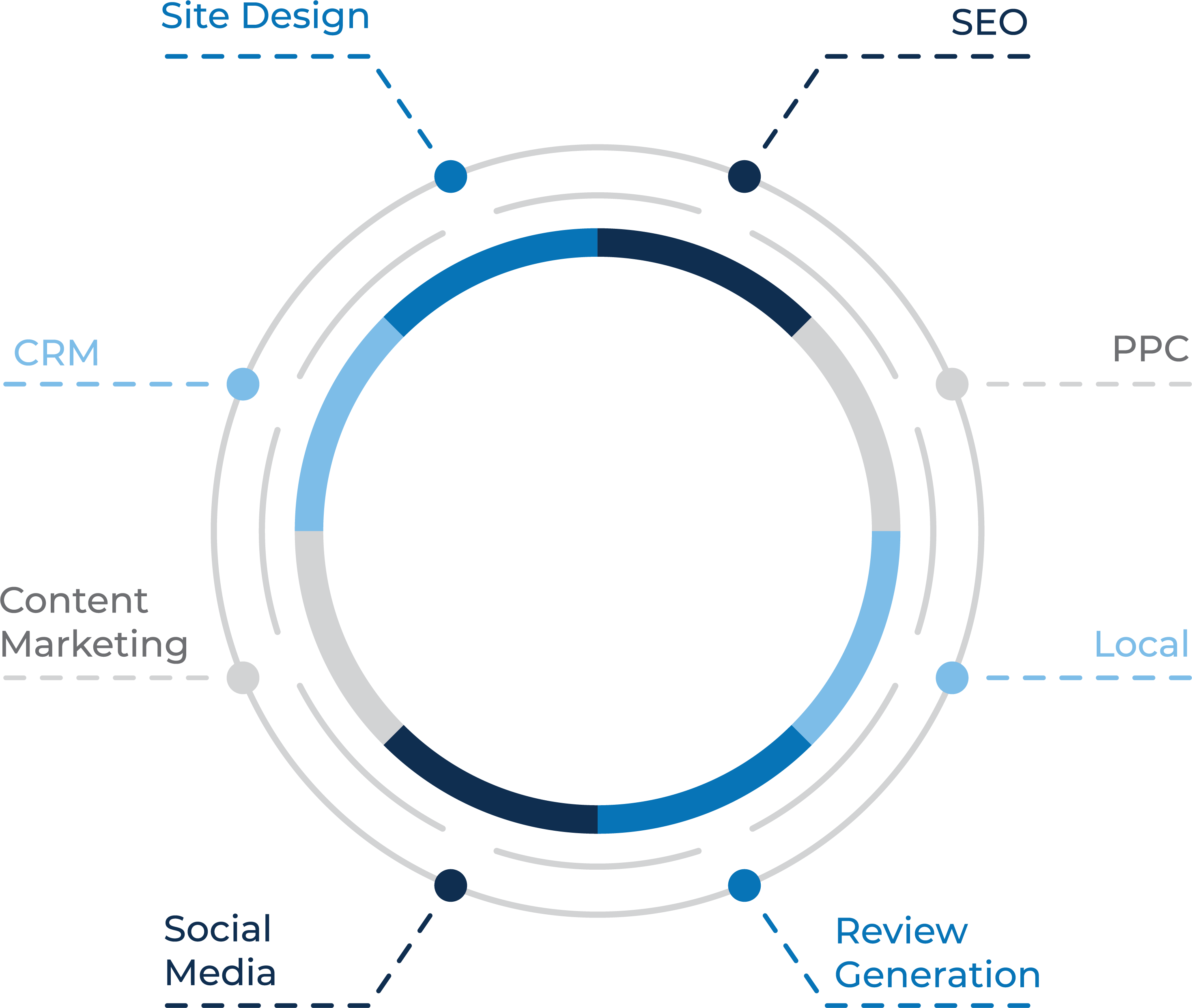
by utilizing our proprietary CRM we can help marketing leads convert.
 Request a quote
Complimentary marketing support, customized email marketing funnels, landing page design, website hosting, website maintenance, social media and more. If you have digital needs our in-house team can meet them.
Free digital marketing eval
"One of my favorite quotes is from Ralph Waldo Emerson, which states, "Make yourself necessary to somebody." This is exactly what Ophthalmology Web has done in the way of medical website design and optimization. Throughout our lengthy research process on which SEO company to use, they stuck with us, answering all of our questions and relieving any concerns. From the first point of contact, all the way to completion of the website, they have been there to ensure that our expectations are being met. Moving from the index to page one in such a short amount of time has competitively placed Discover Vision in the customer's first line of sight. In the eye care industry, YOU JUST CAN'T BEAT SERVICE LIKE THAT.”
Chris Lewman, Director of Marketing
Discover Vision Centers - Kansas City


"Ophthalmology Web came to our practice a little over three years ago. They worked with our marketing and administrative team to develop a STRONG INTERNET MARKETING STRATEGY for our total practice. The end result was very positive as our cataract and refractive surgery referrals from the Internet have increased significantly. We have experienced an increase in quarter over quarter cataract and refractive surgery volume since the launch of our new medical web site design and SEO strategy. In short, we are very pleased with our relationship with Ophthalmology Web and their team has helped our practice build a strong and effective Internet brand at Minnesota Eye Consultants."
Richard L. Lindstrom, MD
Minnesota Eye Consultants

20+ Years of ophthalmology marketing experience
Dedicated Specialists who are masters in their fields
Good old fashioned Customer Service
Dedicated Client Success Managers to help your practice succeed
Award Winning Website Designs


